Passport control at Singapore Changi Airport (SIN) is managed by the Immigration & Checkpoints Authority (ICA). Passengers entering Singapore must complete arrival immigration before collecting their checked baggage, while departing travelers pass through departure immigration before reaching the transit area. Changi Airport uses automated biometric clearance across Terminals 1, 2, 3, and 4. Foreign visitors entering Singapore generally need a passport valid for at least six months, an SG Arrival Card, and a visa if required for their nationality. International transit passengers who remain airside normally do not need to clear Singapore immigration.
Table of Contents
- How Does Passport Control Work at Changi Airport?
- Changi Airport Arrival Immigration Process
- Changi Airport Departure Passport Control
- Passport Control for Transit Passengers at Changi Airport
- Automated Passport Control and Biometric Clearance
- How Long Does Passport Control Take at Changi Airport?
- SG Arrival Card and Singapore Entry Requirements
- Passport Control at Changi Airport Terminals 1, 2, 3 and 4
- Immigration Assistance and Meet & Greet Services
- Documents Required for Changi Airport Passport Control
How Does Passport Control Work at Changi Airport?
Passport control at Changi Airport is conducted by Singapore's Immigration & Checkpoints Authority (ICA). Immigration clearance is required when passengers enter or depart Singapore, including travelers who leave the airport during a layover. The procedure involves identity verification, immigration record checks, and confirmation that passengers meet the applicable entry or departure requirements.
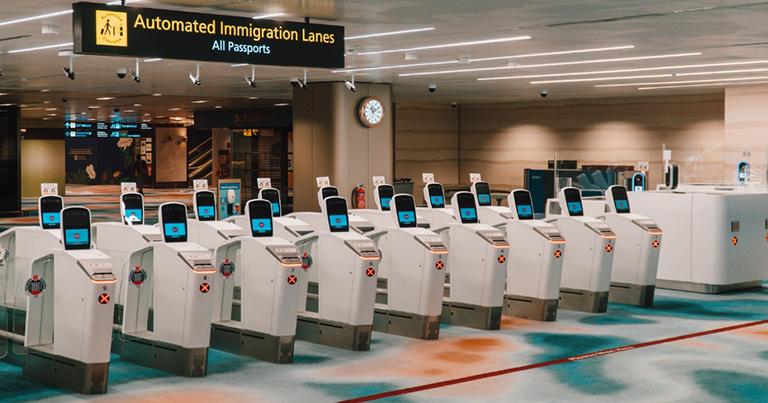
Changi Airport operates automated immigration lanes that use facial, iris, and, when required, fingerprint recognition. These systems allow eligible passengers to complete immigration clearance without waiting for a traditional manual passport inspection. Travelers who cannot use the automated lanes or require additional verification are directed to the appropriate assistance facilities.
For arriving foreign visitors, immigration clearance includes verification of their travel documents and eligibility to enter Singapore. Officers may request information about the purpose of the visit, accommodation, intended length of stay, or onward travel arrangements. The final decision to grant entry rests with ICA.
Immigration clearance is separate from aviation security screening and customs inspection. Passport control determines whether a traveler may cross Singapore's border, while security screening checks passengers and their belongings for prohibited items. Customs procedures apply to goods brought into Singapore.
Changi Airport Arrival Immigration Process
Passengers arriving at Changi Airport on international flights must complete immigration clearance before entering Singapore. After leaving the aircraft, travelers should follow the Arrival Immigration signs rather than the Transfer signs. Immigration facilities are located within the arrival areas of all four passenger terminals.
Before reaching immigration, foreign visitors should ensure that their SG Arrival Card has been submitted and that their passport and any required visa are available. The SG Arrival Card contains personal information, travel details, and an electronic health declaration. It must normally be submitted within three days before arrival, including the arrival date.
At the immigration hall, eligible travelers can use the automated clearance lanes. Foreign visitors arriving in Singapore must present their physical passport for the applicable automated verification process. Biometric information is checked using facial, iris, or fingerprint recognition. Passengers requiring assistance may be directed to special assistance lanes.
After immigration clearance, short-term foreign visitors receive an electronic Visit Pass, known as an e-Pass. This is sent to the email address associated with their SG Arrival Card submission and records their permitted duration of stay. Singapore generally does not issue a physical passport stamp to these visitors.
Once immigration is complete, passengers proceed to the baggage reclaim area. Flight information displays identify the relevant baggage carousel. Travelers then pass through customs, using the Green Channel if they have nothing to declare or the Red Channel when they have goods requiring declaration.
Passengers who need help with arrival procedures, directions, or baggage arrangements can book a Changi Airport Meet & Greet service. The assistance provided depends on the selected package and does not replace mandatory immigration clearance.
Changi Airport Departure Passport Control
Passengers departing Singapore through Changi Airport must complete departure immigration before entering the departure transit area. The process generally begins with airline check-in and baggage drop-off, followed by immigration clearance and any required security checks before boarding.
After obtaining a boarding pass, passengers should follow the signs toward Departure Immigration. Changi Airport uses automated biometric systems for departure clearance. Singapore citizens, permanent residents, long-term pass holders, and foreign visitors can use passport-less departure clearance when eligible.
At a passport-less automated lane, travelers follow the instructions displayed at the gate and complete biometric identity verification. A physical passport may still be requested for additional checks. All passengers must carry their passports when traveling internationally, even when passport-less departure clearance is available.
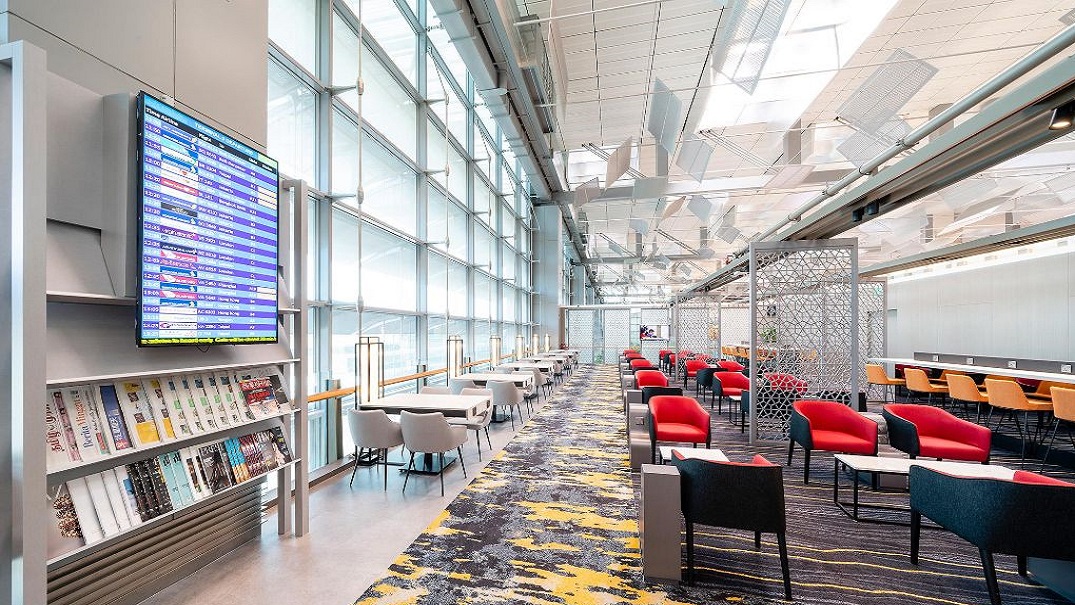
After clearing immigration, passengers enter the departure transit area, where they can access boarding gates, airport lounges, restaurants, and shopping facilities. Unlike airports where security screening is concentrated before immigration, Changi Airport also conducts security checks at individual gate holding rooms in many departure areas. Passengers should therefore allow sufficient time for the security arrangements applicable to their gate.
Travelers should check their airline's check-in deadline, boarding time, and departure terminal before arriving at the airport. For most international flights, arriving approximately two to three hours before departure is a practical planning guideline, although individual airlines may recommend different arrival times.
Passport Control for Transit Passengers at Changi Airport
International passengers connecting through Changi Airport generally do not need to pass through Singapore immigration if they remain within the airport's transit area and have the necessary arrangements for their onward flight.
For example, a passenger traveling from Sydney to London through Singapore on a through-ticket can normally follow the Transfer signs and proceed to the connecting departure gate without entering Singapore. If checked baggage is transferred automatically and the passenger already has the required boarding documents, arrival immigration is usually unnecessary.
However, travelers with separate flight bookings may need to clear Singapore immigration if their baggage is not checked through to the final destination or if they must visit a landside check-in counter. In these circumstances, they must meet Singapore's entry requirements, including visa and SG Arrival Card requirements where applicable.
Passengers who wish to leave the transit area to visit Singapore or Jewel Changi Airport must also clear arrival immigration. Jewel is located in the public area of the airport and cannot be accessed directly from the airside transit area without entering Singapore.
Connections involving Terminal 4 require additional planning because Terminal 4 is separate from the main Terminal 1, 2, and 3 complex. Eligible transit passengers with through-checked itineraries can use the airport's transit shuttle service without entering Singapore.
The following table summarizes common transit situations at Changi Airport.
| Transit Situation | Singapore Immigration Required? |
|---|---|
| International connection with baggage checked through | Generally not required |
| International connection while remaining in the transit area | Generally not required |
| Separate tickets requiring baggage collection | Required if entering the public area |
| Leaving the airport during a layover | Required |
| Visiting Jewel Changi Airport from the transit area | Required |
| Eligible airside transfer to Terminal 4 | Generally not required |
Passengers traveling on separate tickets should confirm baggage transfer arrangements with their airlines before departure. The ability to remain airside depends on the itinerary, airline arrangements, and availability of onward boarding documents.
Automated Passport Control and Biometric Clearance
Changi Airport uses automated immigration clearance systems across all four passenger terminals. The systems are operated by ICA and use biometric technology to verify travelers' identities during arrival and departure procedures.
Automated clearance is available to eligible travelers aged six and above, including first-time foreign visitors. Prior enrollment is not required for foreign visitors using the automated immigration lanes. Children below six years old and passengers requiring additional assistance should use the designated Special Assistance Lanes.
For foreign visitors arriving in Singapore, the process generally involves scanning a physical passport at the automated lane, entering the gate, and following the biometric verification instructions. Travelers may be asked to look into a camera or provide a fingerprint scan.
Singapore residents, including citizens, permanent residents, and long-term pass holders, can use passport-less biometric clearance for both arrival and departure. Foreign visitors can use passport-less clearance when departing Singapore, but must present their passports for arrival immigration.
Travelers should remove sunglasses, face coverings, or other accessories that may interfere with facial and iris recognition when instructed. Although biometric clearance can reduce individual processing time, passengers may still experience queues during busy periods.
How Long Does Passport Control Take at Changi Airport?
Passport control waiting times at Changi Airport depend on flight arrivals, passenger traffic, immigration lane availability, and whether additional document checks are required. Automated biometric clearance reduces the time needed to process individual travelers, but overall waiting times are not guaranteed.
As a general planning estimate, passengers may allow approximately 10–20 minutes for immigration during less crowded periods. During busy arrival periods, queues may take 30 minutes or longer. These figures are illustrative estimates rather than official Changi Airport waiting-time statistics.
ICA has reported that passport-less biometric clearance can reduce the individual clearance process to approximately 10 seconds in eligible cases. This refers to processing at the automated lane and does not include time spent waiting in a queue or walking through the terminal.
Arriving passengers should also consider the time required to leave the aircraft, reach immigration, collect checked baggage, and complete customs procedures. The full arrival process may take substantially longer than passport control alone, especially when baggage delivery is delayed.
For departing passengers, immigration is only one stage of the airport process. Airline check-in, baggage drop-off, security screening, and travel to the assigned boarding gate must also be considered. Passengers should follow their airline's recommended arrival time rather than relying on an estimated immigration queue duration.
SG Arrival Card and Singapore Entry Requirements
The Singapore Arrival Card (SGAC) is an electronic declaration required for most travelers entering Singapore. It includes personal details, travel information, and a health declaration. The SG Arrival Card is not a visa and does not guarantee permission to enter Singapore.
Travelers must submit the SG Arrival Card within three days before their arrival date, including the day of arrival. For example, a passenger arriving in Singapore on 15 November can submit the declaration from 13 November onward.
Singapore citizens, permanent residents, long-term pass holders, and foreign visitors arriving by air are generally required to submit the SG Arrival Card. International transit passengers who do not seek immigration clearance are exempt from this requirement.
Submission through ICA's official website or MyICA mobile application is free of charge. Travelers who prefer assistance preparing their declaration can review the Singapore Arrival Card assistance service. Any assistance service is separate from the free official government submission process.
Foreign visitors must also satisfy Singapore's entry requirements. These generally include a passport with at least six months of validity, a Singapore entry visa if required for their nationality, sufficient funds for their stay, and appropriate onward or return travel arrangements where applicable.
After successful immigration clearance, short-term foreign visitors receive an electronic Visit Pass by email. The e-Pass specifies the permitted period of stay in Singapore, which may differ from the validity period of any entry visa.
Passport Control at Changi Airport Terminals 1, 2, 3 and 4
Changi Airport has four passenger terminals, each with immigration facilities for international arrivals and departures. Although the immigration requirements are the same across the airport, terminal layouts, transfer arrangements, and walking distances differ.
Changi Airport Terminal 1
Changi Airport Terminal 1 has dedicated arrival and departure immigration areas. Arriving passengers follow the signs toward immigration, baggage reclaim, and customs. Terminal 1 is directly connected to Jewel Changi Airport on the public side, making it convenient for travelers who have completed arrival immigration and wish to visit Jewel.
Changi Airport Terminal 2
Changi Airport Terminal 2 provides automated immigration facilities for arriving and departing passengers. The terminal is connected to Terminals 1 and 3 through the airport's transport and pedestrian connections. Passengers should check their assigned departure terminal and follow the appropriate immigration signs.
Changi Airport Terminal 3
Changi Airport Terminal 3 handles international flights and includes automated arrival and departure immigration facilities. Passengers entering Singapore complete immigration before proceeding to baggage claim, while departing travelers clear immigration before entering the transit area. Terminal 3 also provides public-area access toward Jewel through a pedestrian link bridge.
Changi Airport Terminal 4
Changi Airport Terminal 4 is a separate terminal building with its own immigration facilities. It uses automated passenger processing technology, including biometric immigration clearance. Passengers transferring between Terminal 4 and the other terminals should allow additional time for the shuttle journey and any required security or immigration procedures.
Passengers departing from Terminals 1, 2, and 3 may use departure immigration at any of those three terminals under Changi Airport's published arrangements. Terminal 4 passengers have additional flexibility, but travelers should still consider how they will reach their assigned boarding gate after immigration.
Immigration Assistance and Meet & Greet Services
Passengers who are unfamiliar with Changi Airport or require help navigating the terminal can arrange airport assistance before their flight. Meet & Greet services may be available for international arrivals, departures, and connecting passengers, depending on the selected package.
For arriving passengers, assistance may include meeting at an agreed airport location, guidance toward immigration facilities, baggage assistance, and directions to the public arrivals area. For departing travelers, services may include help locating airline check-in counters, navigating airport procedures, and reaching the appropriate departure area.
Travelers can review the available Changi Airport Meet & Greet services and select a package based on their itinerary and assistance requirements. The exact meeting location and included services should be confirmed before arrival.
Meet & Greet assistance does not provide exemption from Singapore's immigration laws. All passengers must complete the required checks, and decisions concerning entry into Singapore remain the responsibility of ICA.
Documents Required for Changi Airport Passport Control
Travel document requirements at Changi Airport depend on nationality, immigration status, destination, and the purpose of travel. Foreign visitors entering Singapore should verify the applicable requirements before departure.
For most foreign visitors, the basic entry requirements include a valid passport with at least six months of remaining validity, an SG Arrival Card submitted within the required period, and a Singapore visa if their nationality requires one. Immigration officers may also request evidence of onward travel, accommodation, or sufficient funds.
Singapore citizens, permanent residents, and long-term pass holders should carry their valid travel documents and any relevant immigration or residence documentation. Travelers using automated biometric clearance must still have their passports available if ICA requests additional verification.
Passengers departing Singapore should carry a valid passport, their airline boarding documents, and any visas or permits required by the destination or transit countries. Airlines may verify these documents during check-in or boarding even when the traveler uses passport-less departure immigration.
International transit passengers remaining airside generally do not need to submit an SG Arrival Card. However, they must possess the documents required for their onward flight and any transit countries involved in the itinerary.
Travelers should confirm current entry requirements before traveling because visa eligibility, passport requirements, and immigration conditions can differ between nationalities and may change.
Frequently Asked Questions
Is Passport Control Open 24 Hours at Changi Airport?
Yes. Immigration clearance is available for international flights operating throughout the day and night.
How Long Does Immigration Take at Singapore Changi Airport?
Allow approximately 10–20 minutes during quieter periods. Waiting times may exceed 30 minutes during busy periods.
Do I Need to Pass Through Immigration During Transit at Changi Airport?
No, if you remain in the international transit area. Immigration is required if you enter Singapore.
Can Foreign Visitors Use Automated Passport Control at Changi Airport?
Yes. Eligible foreign visitors can use automated lanes, including first-time visitors aged six and above.
Is the SG Arrival Card Required for Changi Airport?
Yes, for most passengers entering Singapore. Submit it within three days before arrival, including your arrival date.
Is the Singapore Arrival Card Free?
Yes. Official SG Arrival Card submission through ICA is free.
Does Changi Airport Stamp Passports on Arrival?
Generally, no. Short-term foreign visitors receive an electronic Visit Pass (e-Pass) by email.
Can I Leave Changi Airport During a Layover?
Yes, if you meet Singapore's entry requirements and have sufficient time before your connecting flight.
Do I Need Immigration Clearance to Visit Jewel Changi Airport?
Yes, if you are an airside transit passenger. Jewel is located in the public area outside immigration.
Can I Transfer Between Changi Airport Terminals Without Passport Control?
Yes. Eligible transit passengers can transfer between terminals without entering Singapore.
What Happens If My Passport Is Rejected at Automated Immigration?
Follow the checkpoint instructions. An ICA officer may conduct additional document or identity checks.
Do Children Need to Complete Passport Control at Changi Airport?
Yes. Children aged six and above may use automated lanes if eligible. Younger children use assisted clearance lanes.